

No products in the cart.


In today’s digital world, ensuring network security is not just about software. A significant part of protection depends on network hardware. The equipment you choose can be a strong barrier against cyber threats—or a weak point that attackers can exploit.
Why Is Hardware Security Important?
In many attacks, cybercriminals bypass software defenses by exploiting hardware vulnerabilities. Untrusted or counterfeit devices can become entry points for firmware malware, network sniffing, or unauthorized access.
Essential Equipment for Hardware-Level Security
-
Hardware Firewalls (Firewall Appliances)
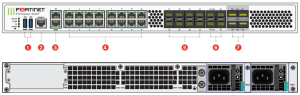
Advanced firewalls like FortiGate, Cisco ASA, or Sophos XG play a key role in filtering inbound and outbound traffic and often include IDS/IPS capabilities. -
Managed Switches with Security Features
Switches such as Cisco Catalyst or HPE Aruba support features like 802.1X, Access Control Lists (ACLs), and Port Security, helping to segment and control access across the network. -
Secure Access Points Supporting WPA3
Enterprise-grade access points like Ubiquiti UniFi or Aruba Instant ensure secure wireless communication with the latest encryption standards. -
TPM Modules and Secure Hardware in Servers and Routers
Devices with TPM 2.0 or Secure Boot help block malicious code from executing at the BIOS or firmware level.
Equipment to Avoid
-
Unbranded or non-certified devices
-
Home-grade routers and switches used in business environments
-
Devices with outdated firmware or no official support
Conclusion
To ensure full network protection, you need to focus on hardware as much as software. Investing in professional-grade equipment not only strengthens security but also improves network performance and stability.
